
In this blog, Viv from our National Practice Development team explores some of the challenges of supporting people experiencing homelessness in rural areas.
England’s countryside is often seen as somewhere for recreation, summer holidays, and sunny Sunday walks to country pubs. For many of us the countryside is a welcome escape from the grit and grind of city life and somewhere we might like to retire to one day. But for nearly 10 million people, England’s rural counties are where everyday life happens, which unfortunately for some includes experiencing homelessness and rough sleeping.
A recent BBC Countryfile episode explored the reality of homelessness and rough sleeping in rural south west England and the significant challenges especially young people face finding housing and stable employment close to home, where rents are often high and many jobs are seasonal and low-wage.
We know from research by English Rural Housing Association, which Homeless Link partners with on its work on rural homelessness, that just 8% of homes in rural areas are affordable, compared with 17% in urban areas, and rural areas receive 65% less homelessness funding per capita than urban areas. This, combined with the long distances people in rural areas often have to travel on limited public transport to access jobs or support services, means resolving homelessness and rough sleeping in the countryside can be especially challenging.
Unfortunately, rural areas can appear immune to the issues of homelessness and rough sleeping and this perception is reinforced by how easy it is to hide away in the countryside. Obviously, not everyone who sleeps rough in towns and cities is visible on streets and in shop doorways. But the population density of urban areas and the limited green space means that people who are rough sleeping tend to be a lot more visible and more easily reached by outreach teams.
At Homeless Link’s recent Rough Sleeping Conference, Shirley Hilton, the Central Rough Sleeper Resettlement Team Manager for Cornwall talked about the lengths (quite literally) her team go to find sleep sites that are hidden in places like woods and coastal cliffs.
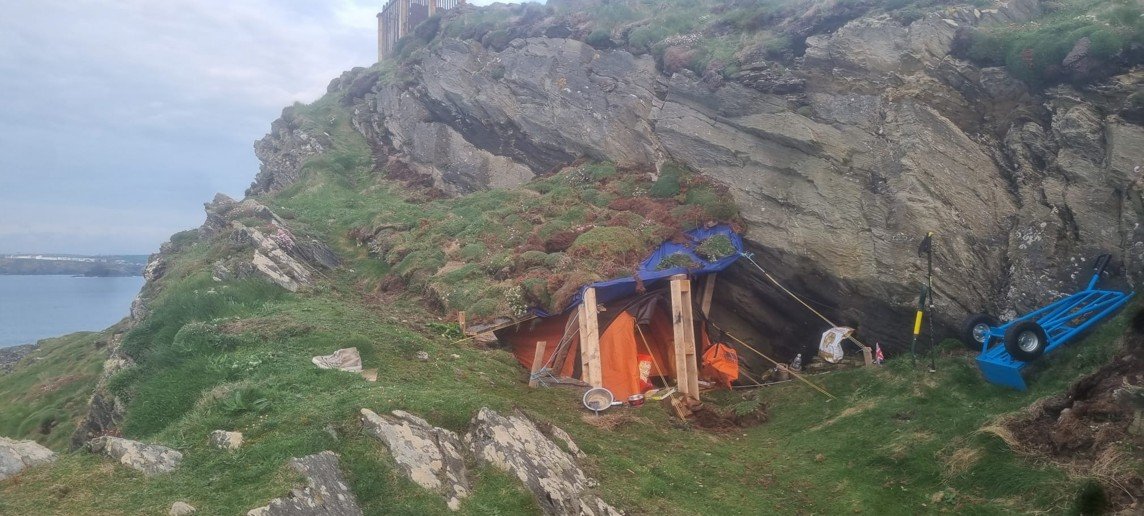
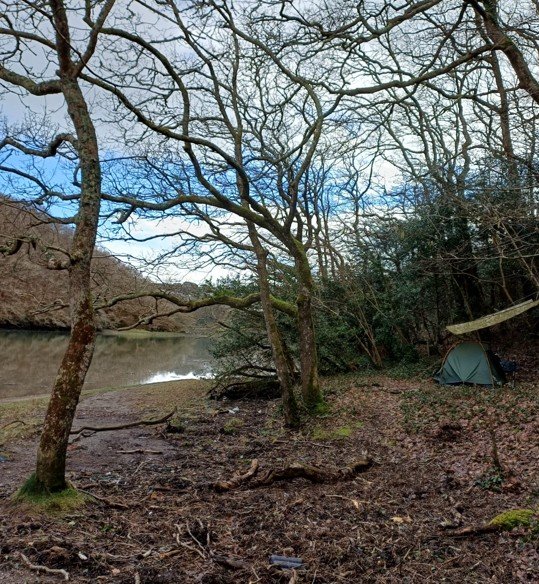
The rough sleeper team in Herefordshire have experienced similar difficulties locating people rough sleeping in hidden and difficult to access rural places. The team now have a drone, affectionately known as Derek, with thermal imaging capability to help them search large rural and woodland areas. For example, because Herefordshire experiences high levels of flooding in some areas, during a recent period of heavy rainfall, Derek became a vital member of the Outreach Team. Derek helped the team search farmland and woodland flying over areas cut off by flooding and using the thermal imaging function to check for any signs of life. This was especially helpful over areas where the team knew tents or other potential encampments had been spotted previously.
The problem of distance isn’t just physical in rural areas. It is also relational as it can hamper an outreach team’s ability to work in trauma-informed way with vulnerable people, which is a core principle of rough sleeper outreach. We know that a high percentage of people sleeping rough have experienced complex trauma and building a relationship of trust and avoiding re-traumatisation requires time and proximity. As Shirley shared at the Rough Sleeper Conference, over the course of supporting people away from rough sleeping, trauma was identified in 94% of cases. However, trauma was disclosed at referral in just 24% of cases, which shows both the level of under reporting by and the value of building trust with people who are sleeping rough.
A further complication specific to rural areas is that people bedding down in cars and tents in the countryside are often viewed as having made a ‘lifestyle choice’ because their rough sleeping is happening in nature. It is also often conflated with the recreational ‘wild’ camping or car camping of weekenders and summer visitors to coastal and rural areas. But, as the work of Dr Michael Preston-Shoot, Emeritus professor of Social Work at the University of Bedfordshire, the evidence of people with lived experience of homelessness, safeguarding adult reviews, and research all show, the ‘lifestyles’ of people who rough sleep in cars and tents are more often than not the result of self-neglect rather than choice.
The inevitable result of rural homelessness and rough sleeping being hidden and often misunderstood is that it is very difficult to measure and evidence. This means the issue can’t be represented in clear data to local and national government, making it difficult to advocate for the funding needed to find and support people experiencing homelessness and rough sleeping in rural areas. Indeed, in the government’s National Plan to End Homelessness, which was published in December, rural areas are only mentioned twice, briefly.
At Homeless Link we are talking to outreach teams and other sector partners including the Women’s Rough Sleeping and Homelessness Census about better ways of identifying and evidencing the hidden homelessness and rough sleeping that takes place in rural England. As a result, we hope to evidence the need to for more and better funding for rural areas and that more people can be prevented from becoming homeless and rough sleeping in the first place. If you are interested in being involved in rural homelessness conversations, please contact Viv Griffiths in the National Practice Development team: viv.griffiths@homelesslink.org.uk
