Last updated: 21 May 2026
Climate change is fundamentally altering the nature and frequency of severe weather. Historically, extremely cold weather has often been a factor of UK winters, however in recent years extremely hot weather in summers and storms year-round have become increasingly prevalent. In fact, Met Office data show that 2023 and 2024 had some of the highest rainfall since records began (in 1766), and since early 2023 there have been 19 named storms. This the highest number ever recorded in a comparable period.
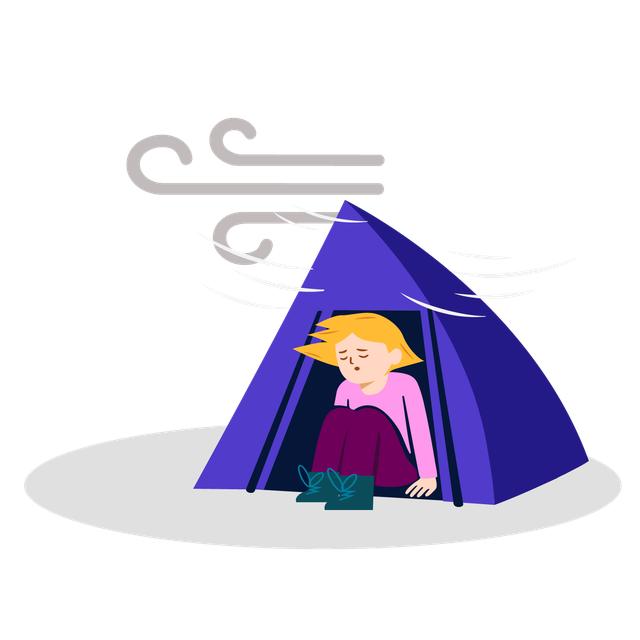
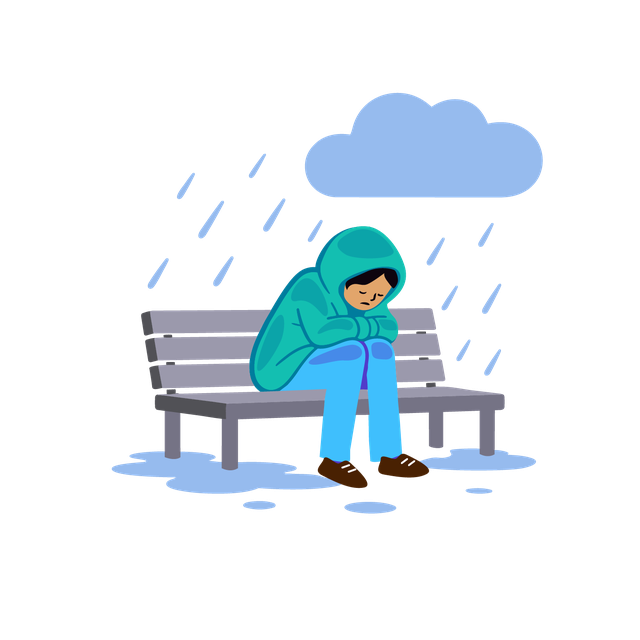
These changes are having direct and growing consequences for people experiencing homelessness. SWEP (Severe Weather Emergency Protocol) has traditionally been understood as a response to extreme temperatures and Homeless Link has existing guidance on how local authorities and frontline services can best support people who are rough sleeping during extreme heat and freezing temperatures. However, this does not fully cover the risks that other forms of severe weather pose. Climate change is driving more frequent, intense, and unpredictable weather events throughout the year, meaning severe weather is no longer seasonal—it is year-round. As a result, preparedness must extend beyond temperature thresholds to encompass a wider range of severe weather, including high winds and heavy rainfall.
We know from our own research that people experiencing homelessness face worse health than the general population and that the physical health especially of people experiencing homelessness is getting worse. Through this spotlight, we hope to help local authorities and frontline services to incorporate high winds and heavy rain into their SWEP planning.
People with lived experience of rough sleeping contributed to the development of this spotlight and you’ll see quotes from our conversations with them throughout.
The changing nature of SWEP
High winds can destroy tents and bedding, displace people from relatively safe sleeping areas, and significantly increase the risk of injury. Heavy and prolonged rainfall can lead to flooding, waterlogged belongings, hypothermia even in milder temperatures, and the loss of essential documents and medications. These conditions can be just as dangerous and life threatening as extreme cold or heat, yet they are often not recognised within existing responses from homelessness services. This may be because it is more difficult to define a clear trigger for SWEP activation when it comes to high winds and heavy rain. While temperature is a clear numerical metric, the Met Office, for example, sets warning levels for high winds and heavy rain based on their potential impact rather than wind speed or forecast volume of rainfall. Named storms - such as Amy, Benjamin, Claudia, Bram, Goretti, Chandra, and Dave, all of which hit the UK in the 6 months between early October 2025 and early April 2026 - are those the Met Office think have the potential to cause levels of disruption or damage that require an amber or red warning.
“Stormy weather is probably the most dangerous time to be out in terms of health. The wind is howling, you’re out in the open, you might not get any sleep. You can end up losing important things.”
Homelessness services have developed robust and well-established policies for responding to extreme temperatures, demonstrating the sector’s ability to adapt when risk is clearly defined. However, as a result of climate change, there is an urgent need to develop clear policies and procedures for responding to severe weather events such as high winds and heavy rainfall, ensuring that support can be mobilised proactively rather than reactively.
“During severe weather, people use services more, so it’s more rushed and staff become overwhelmed. You don’t get as much support. There needs to be pre-planning when severe weather comes, more shelters and community hubs. So much was done during Covid and now it’s not happening”.
SWEP responses have historically been accommodation-led, however, there are opportunities in the government’s new National Plan to End Homelessness to broaden input from non-accommodation-based services. For example, the intended ‘duty to collaborate’ across key public services could provide daytime dry spaces during periods of extreme wet weather. The Plan also calls for a move away from ‘verification’ of rough sleeping, which has been shown by the Museum of Homelessness, in their 2026 Severe Weather Emergency report, to be a barrier to safety in some areas of England.
“42% of surveyed councils had some kind of verification system [for accessing SWEP]. It is disappointing to see so much evidence of gatekeeping in SWEP responses” (Museum of Homelessness, Severe Weather Emergency, Second Edition)
If SWEP is to remain effective in a changing climate, it must evolve. This means broadening our understanding of ‘severe weather’ and beginning to plan for risks beyond heat and cold. By adapting now, services can reduce harm, save lives, and ensure that emergency responses remain fit for purpose in an era of climate uncertainty.